Scuba Metal Detecting in the UK: What Buyers Should Know
In a recent flurry of listings that appeared on the Austin American newspaper classifieds, a handful of hobbyists have turned their attention to scuba metal detecting in the United Kingdom. The niche market offers a unique blend of historical treasure hunting and underwater exploration, but as with any specialized pursuit, prospective buyers need to weigh the benefits against the challenges before diving in.
Why Scuba Metal Detecting Gained Ground in the UK
The UK’s extensive coastline, coupled with its rich maritime history, makes it an ideal playground for metal detecting. From Roman relics to World War II ammunition, the underwater landscape is full of artifacts waiting to be rediscovered. The surge in online classifieds has made equipment and instructional courses more accessible, lowering the entry barrier for enthusiasts who once needed a hefty investment to begin.
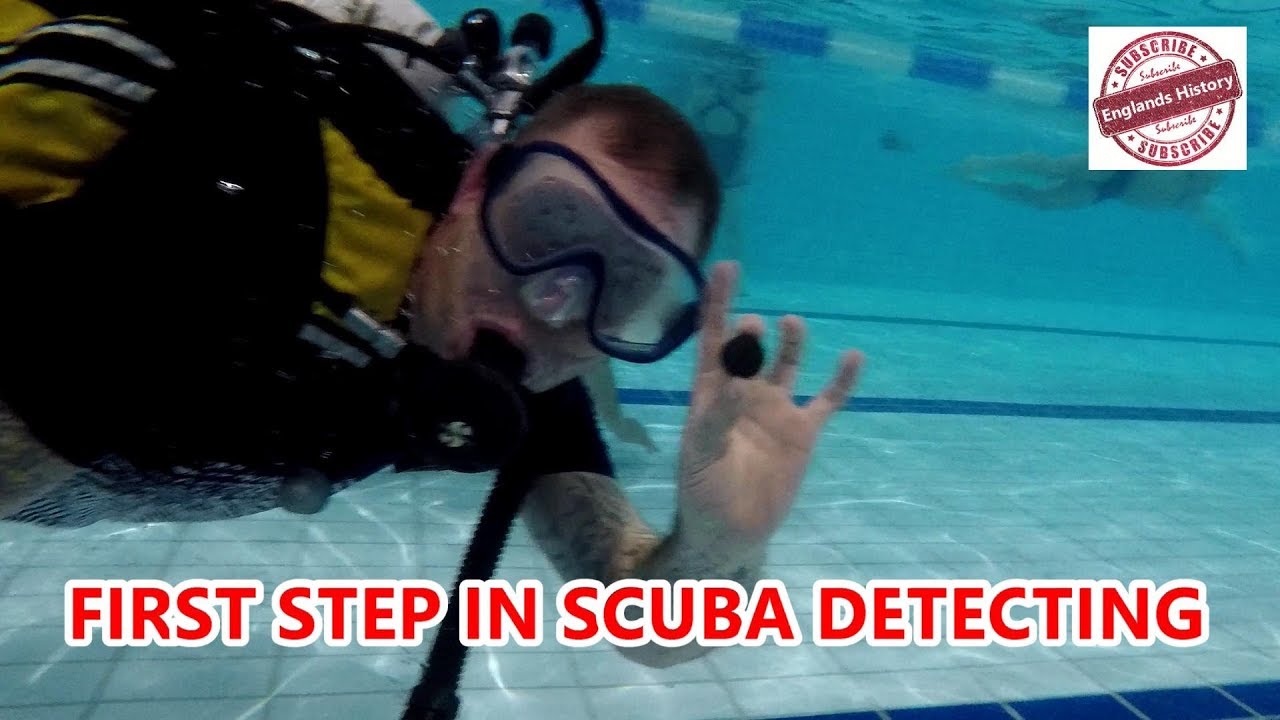
Key Equipment: What to Look For
For those eyeing a purchase, the first decision is the type of metal detector. Two dominant categories exist:
- Standard handheld units – affordable, lightweight, and easy to learn. Ideal for beginners or casual beachcombers. Look for models with noise discrimination to filter out saltwater interference.
- Underwater-optimized detectors – built to withstand pressure and corrosion. These often feature dual-mode detection (air and water), making them versatile for both surface and submersible use. Prices are higher, but the longevity and performance can justify the investment.
Alongside the detector, a reliable underwater housing is essential. A housing rated to 60 feet will protect the device during deeper dives, and many modern housings include pressure equalizers to ease discomfort during descent.
Selection Criteria for Value-Focused Buyers
- Depth Capability – If you plan to explore beyond the shallow surf, prioritize units rated for at least 30–60 feet.
- Target Discrimination – The ability to differentiate between metal types reduces time spent digging for false positives.
- Battery Life – Underwater hunts can be battery-intensive; look for models offering 8–12 hours of runtime.
- Support & Warranty – Given the harsh salt environment, a robust warranty and accessible service network are invaluable.
Practical Use Cases and Real-World Scenarios
Scuba metal detecting is not just about treasure hunting. It offers practical applications that appeal to a broader audience:
- Archaeological Research – Universities and heritage groups often collaborate with hobbyists to map sites, making the hobby an avenue for contributing to historical preservation.
- Commercial Salvage – Small businesses salvage valuable metal from shipwrecks. A well-chosen detector can streamline recovery operations.
- Recreational Exploration – Families and friends use metal detecting as a beachside activity that combines exercise with learning.
Cautions and Regulatory Considerations
While the lure of hidden artifacts is strong, buyers should stay informed about local laws. The UK’s Marine (Scuba) Regulations mandate that certain wrecks are protected, and disturbing them can result in fines or legal action. Always verify that the dive site is permitted for metal detecting, and consider obtaining a Marine Conservation Permit if required.
Environmental factors also demand attention. Saltwater corrodes metal components quickly, so post-dive cleaning and regular maintenance are non-negotiable. Neglecting these steps can reduce equipment lifespan and compromise safety.
What the Market Looks Like Today
Classifieds listings, like the recent Austin American post, reveal a range of prices, from $150 for entry-level units to $2,500 for high-end professional models. While bargains exist, buyers should factor in additional costs: diving gear, protective housings, and travel expenses to suitable sites.
Customer reviews often highlight the learning curve associated with underwater signal interpretation. Newcomers typically benefit from enrolling in a local scuba metal detecting club or attending a workshop, where seasoned hunters share tips on target identification and navigation.
Bottom Line: Is Scuba Metal Detecting Worth It?
For those who value a blend of adventure, history, and the thrill of discovery, scuba metal detecting offers a compelling proposition. The UK’s varied marine heritage provides a fertile hunting ground, and the growing community support—evident in classifieds and online forums—helps new entrants navigate the complexities.
However, the hobby is not without its pitfalls. High initial costs, stringent regulations, and the physical demands of diving can deter casual participants. Buyers who conduct thorough research, prioritize quality equipment, and respect local laws are more likely to enjoy sustainable, rewarding underwater exploration.